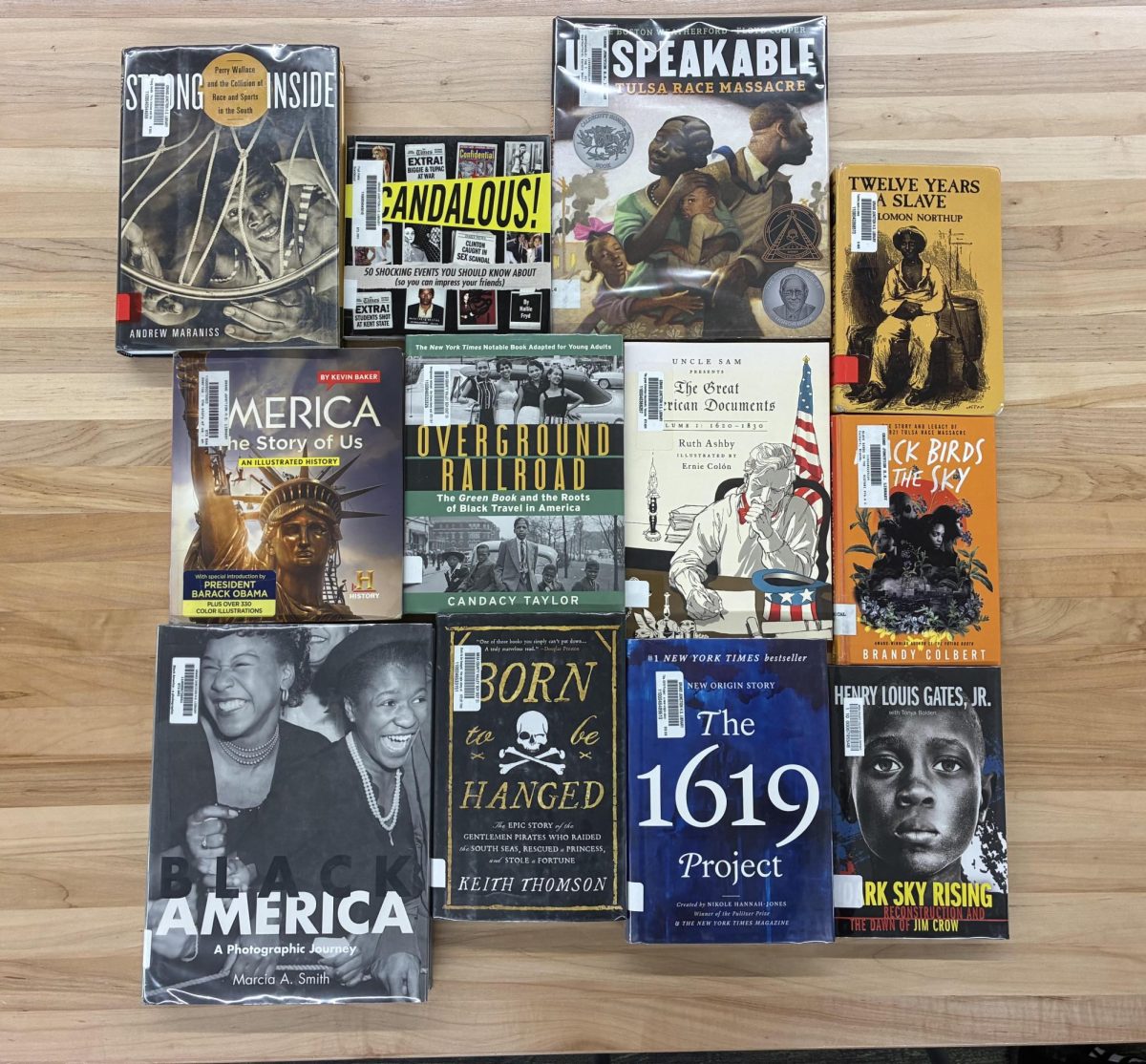
At Grand Junction High School, Black History Month gives students time to learn about Black heritage, struggles and achievements that shape American History.
While often these month-long commemorations are overlooked by many, they serve an important reminder to many of the history needed to create the society we live in now.
“It’s important to understand people’s heritage and understand some of the struggles that people have gone through and suffered through,” said GJHS junior Gabriel Gonzalez.
What became Black History Month was first originated by historian Dr. Carter G. Woodson, which took place on the second week of February. Starting under then-United States President Gerald Ford, Black History Month became a federally recognized month-long commemoration for Feb. 1976.
“I think it’s important to celebrate because I think all people are equal, and I don’t think that it used to be this way,” said GJHS freshman Deekin Meyer.
The month is extremely important to many in order to recognize the deep and complicated history of African American citizens of our country.
“It’s always important to have a better understanding of our history and Black History as American history… it helps us remember that we have a broad range in our historical past,” said GJHS social studies teacher Christine Spillane.
Black figures of Mesa County include Harry Butler, who was the first African American man elected to the Grand Junction City Council. Another modern figure is Mona Highline, who founded the Joseph Foundation in 2016. The foundation supports those experiencing homelessness by providing resources for self-sufficiency and belonging.
Some of the most notable figures in African American civil rights include Martin Luther King Jr., Rosa Parks, Malcolm X, and Thurgood Marshall. Parks notably defied the racist order for her to give up her spot on a public bus, sparking the Montgomery Bus Boycotts and marking a pivotal moment in the civil rights movement. Malcolm X was one of the most influential civil rights leaders due to his leadership and alternator means of achieving rights as contrasted with fellow civil rights leader King. Marshall was the first African American man elected to the United States Supreme Court and was a part of the breakthrough “Brown vs Board of Education,” which declared racial segregation in schools unconstitutional.