Social media’s allure masks a darker reality, fueling cyberbullying, unrealistic comparisons and relentless pressure that detrimentally affects teenagers mental health.
In today’s digital age, social media has become an omnipresent force particularly among teenagers. Platforms like TikTok, Instagram and Snapchat offer avenues for connection, self-expression and entertainment. However beneath the surface of filtered selfies and viral trends lie a growing concern on the detrimental effects of social media on teenage mental health.
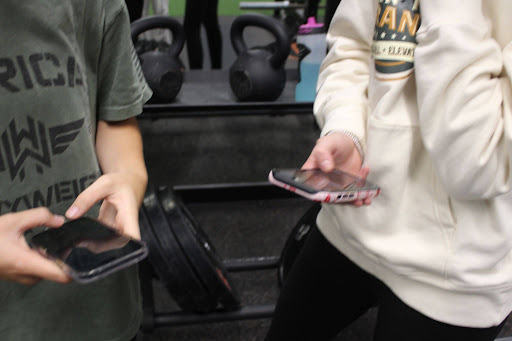
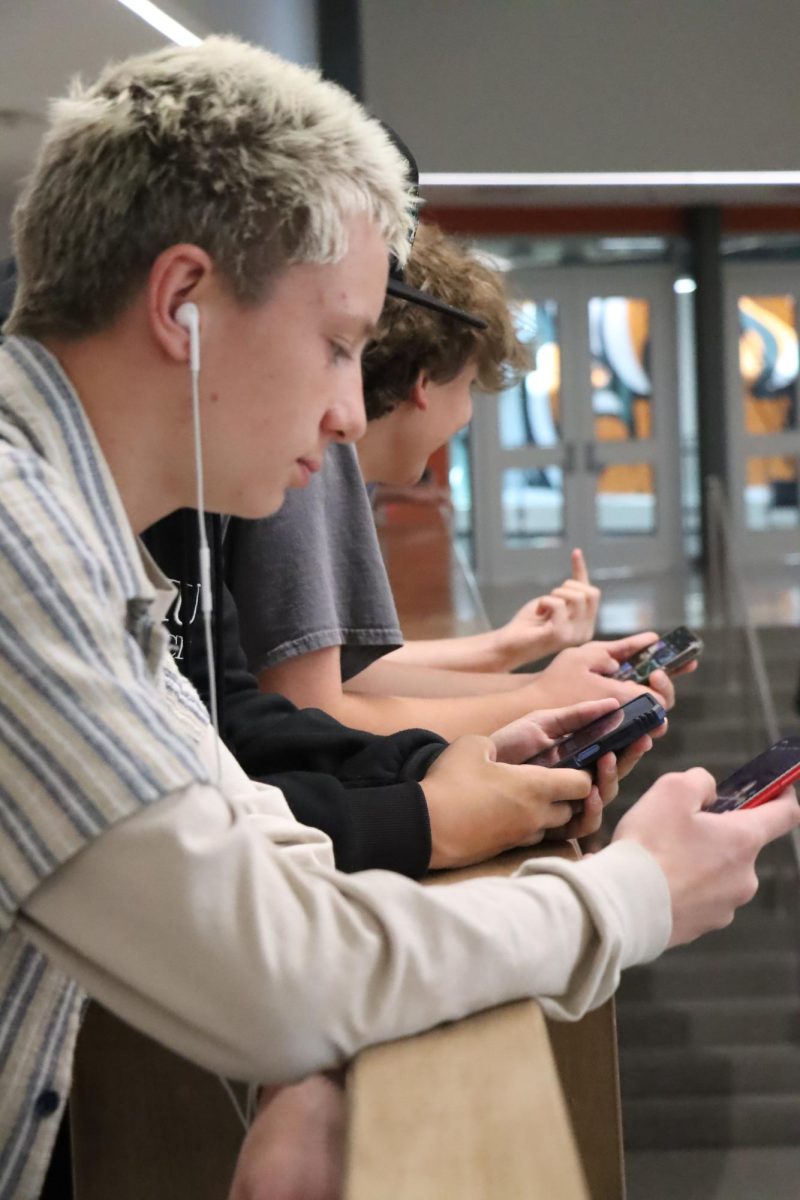
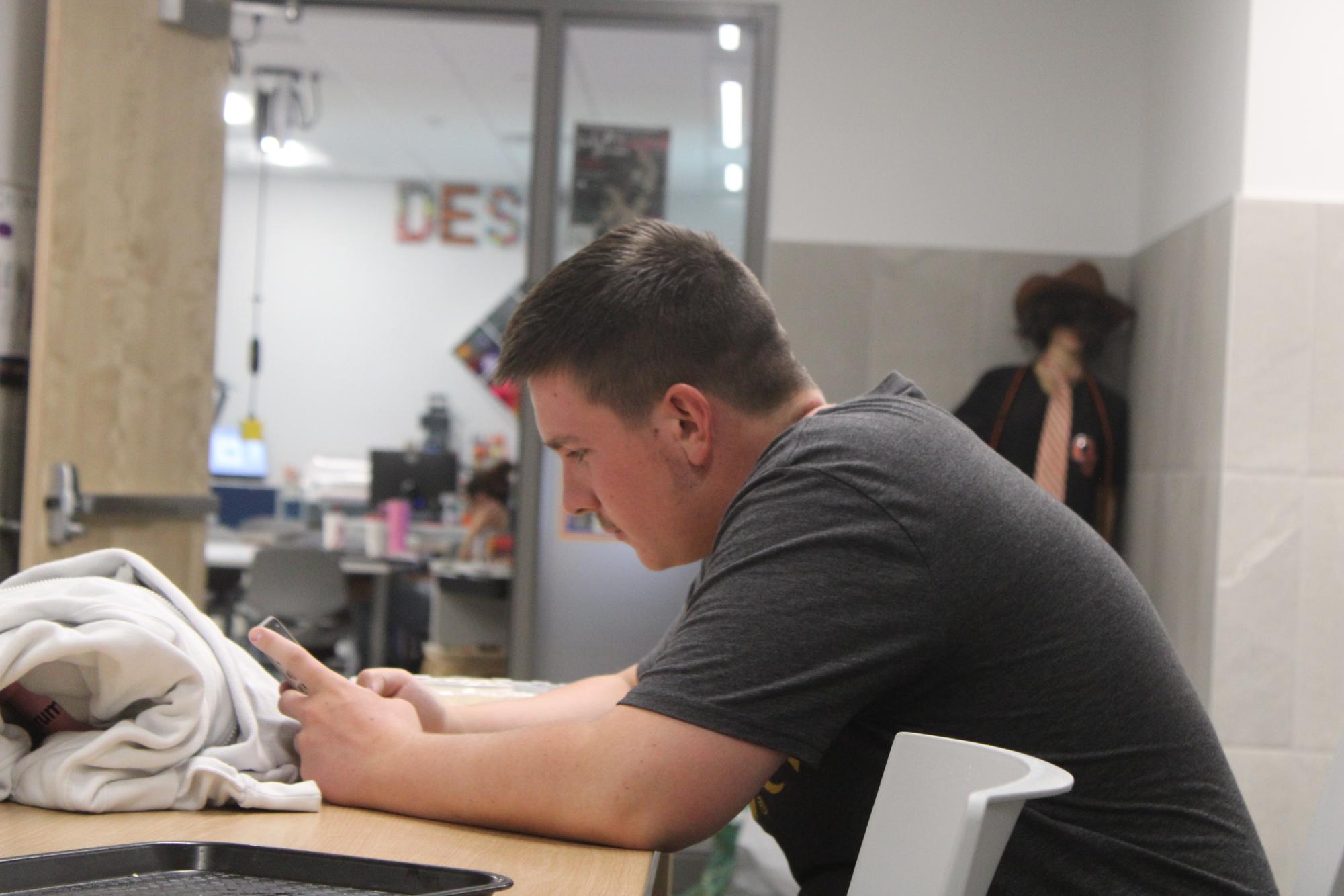
Walking through the halls in GJHS, you pretty much see everyone on their phones. Whether they are scrolling through social media, texting friends etc. I don’t think that teenagers understand the effects social media has and what they are opening themselves up for.
One of the most pervasive issues is cyberbullying. The anonymity afforded by the internet emboldens aggressors, leading to relentless harassment and emotional distress for victims. The constant barrage of hateful messages and rumors could cause anxiety, depression and even suicidal thoughts.
I’ve seen it in myself, my friends and my family. The longer time they spend on social media I recognize different changes such as they lose interest in what they love and they compare themselves to others all the time.
Furthermore, social media fosters a culture of unrealistic comparisons. Teens are bombarded with images of seemingly perfect bodies, lavish lifestyles and flawless relationships. This constant exposure to idealized versions of reality can lead to feelings of inadequacy and be particularly damaging during adolescence, a time of self-consciousness and identity formation.
There are things students can do to mitigate the negative effects of social media and mental health. One step could be cutting down on screen time. Another step could be to evaluate what you see on social media; less than half of everything you see is probably real.
Editor’s note: Brielle Johnson is currently enrolled in a reporting class.